Exploring Warranty Options for HVAC Blower Housing Products
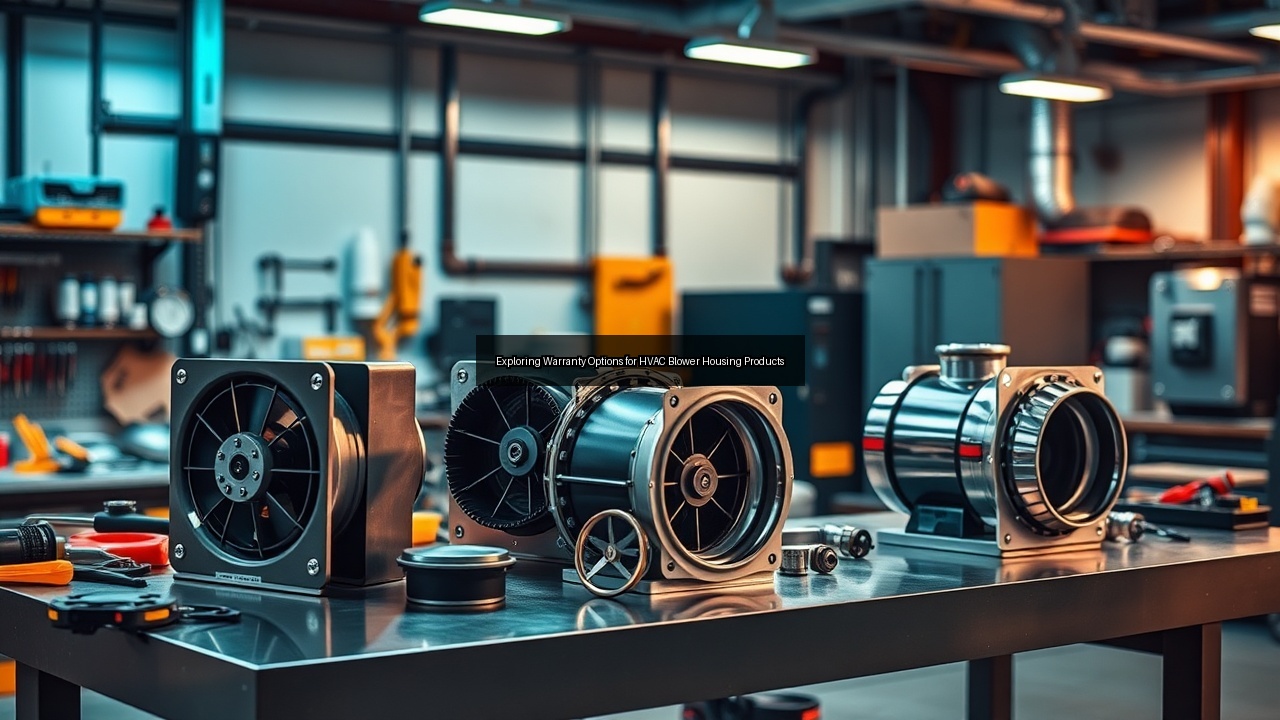
Understanding HVAC Blower Housing and Its Components
What is HVAC Blower Housing?
HVAC blower housing is a crucial component found in heating, ventilation, and air conditioning systems. It serves as the protective enclosure for the blower assembly, which includes blower fans and motors. This housing not only ensures the efficient operation of the HVAC system but also helps in directing air flow throughout the home or commercial space. The design of the blower housing plays a significant role in reducing noise and vibration levels while enhancing the overall performance of the HVAC system. Understanding its function is essential for homeowners and technicians alike, as it impacts the longevity and efficiency of the system.
Key Components: Blower Fans, Motors, and Housings
The HVAC blower housing encompasses several integral components, including the blower fan, motor, and the housing itself. Blower fans are responsible for moving air through the system, ensuring that warm or cool air reaches every corner of the space. The motor powers these fans, and its efficiency directly affects the system's performance. OEM (Original Equipment Manufacturer) parts, such as blower motors and fans, are designed to fit perfectly within the housing, maintaining the intended airflow and efficiency. Using high-quality components minimizes the risk of breakdowns and enhances the HVAC system's reliability over time.
The Role of OEM Parts in HVAC Systems
OEM parts play a vital role in maintaining the integrity of HVAC systems. When it comes to blower housing and its components, using OEM parts guarantees compatibility and performance. These parts are designed specifically for the respective HVAC systems, ensuring they meet high standards of quality and efficiency. While aftermarket parts may offer cost savings, they often lack the precision and reliability of OEM parts. This can lead to premature failures, inefficient operation, and ultimately, more expensive repairs. Investing in OEM blower motors and fans within the blower housing can prolong the system's life and maintain optimal performance.
Types of Warranties for HVAC Blower Housing Products
Manufacturer Warranties vs. Extended Warranties
Understanding the different types of warranties available for HVAC blower housing products is crucial for making an informed decision. Manufacturer warranties typically cover defects in materials or workmanship for a specific period, often ranging from one to ten years. These warranties provide peace of mind, ensuring that any faulty component will be repaired or replaced at no extra cost. On the other hand, extended warranties offer additional coverage beyond the manufacturer's terms. They can cover wear and tear, labor costs, and other issues that may arise over the system's lifespan. Evaluating both options can help homeowners choose the warranty that best suits their needs and budget.
What to Look for in Warranty Coverage
When selecting a warranty for HVAC blower housing products, several factors should be considered. Coverage duration is paramount; longer warranties generally indicate a manufacturer's confidence in their product. Look for warranties that cover not only parts but also labor costs, as this can significantly impact repair expenses. Additionally, consider the warranty's transferability. If you plan to sell your home, a transferable warranty can enhance the property's value. Finally, review the warranty's claim process to ensure it is straightforward and user-friendly. A well-defined warranty can protect your investment and provide reassurance in the event of a malfunction.
Common Exclusions in HVAC Warranties
Be aware of common exclusions in HVAC warranties to avoid surprises down the line. Many warranties do not cover damages caused by improper installation, neglect, or lack of maintenance. Wear and tear from regular use often falls outside warranty coverage, leaving homeowners responsible for repairs. Environmental factors, such as flooding or extreme weather, may also be excluded. Furthermore, modifications to the HVAC system, such as using non-OEM parts, can void the warranty. Understanding these exclusions ensures that homeowners maintain their systems properly and know what to expect regarding warranty claims.
Evaluating Warranty Options for Your HVAC System
Factors Influencing Warranty Choices
Several factors influence the choice of warranty options for your HVAC system. First, consider the age and condition of your system; newer units may benefit from longer manufacturer warranties. The initial cost of the HVAC system also plays a role. Higher-end systems often come with more extensive warranties, reflecting their quality and reliability. Additionally, the reputation of the brand matters. Established brands with a history of reliability typically offer better warranty terms. Lastly, personal preferences and risk tolerance can guide decisions. Some homeowners prefer the security of an extended warranty, while others may opt for a basic manufacturer warranty based on their maintenance practices.
Feedback from Customers on Warranty Experiences
Customer feedback provides valuable insights into the blower housing assembly effectiveness of warranties for HVAC blower housing products. Reviews often highlight the ease of the claim process, the responsiveness of customer service, and the overall satisfaction with repairs or replacements. Positive feedback can indicate a reliable warranty that fulfills its promises. Conversely, negative experiences can reveal potential pitfalls, such as long wait times for service or difficulties in obtaining coverage. Reading through customer testimonials on various platforms helps prospective buyers gauge the reliability of different brands and their warranty offerings, allowing for more informed decisions.
Comparing Brands and Their Warranty Policies
When evaluating warranty options, comparing brands and their warranty policies becomes essential. Different manufacturers offer varying levels of protection, coverage durations, and terms. Researching several brands enables homeowners to identify which ones provide the most comprehensive warranties for HVAC blower housing products. Look for reviews and ratings that specifically address warranty claims and customer service experiences. Additionally, consider any incentives offered by brands, such as extended warranty promotions or discounts for bundling services. A brand’s commitment to customer satisfaction often shines through in its warranty policies, making it a critical factor in your decision-making process.
Maintaining Your HVAC Blower Housing for Longevity
Importance of Regular Maintenance for Blower Fans and Housings
Regular maintenance is vital for ensuring the longevity and efficiency of HVAC blower housing and its components. Routine inspections and cleanings prevent dust and debris from accumulating, which can impede airflow and reduce efficiency. Checking the blower fans for signs of wear, such as unusual noises or vibrations, helps identify potential issues before they escalate. Additionally, ensuring that the blower housing is free from blockages contributes to optimal airflow. Scheduling professional maintenance at least once a year can extend the lifespan of the HVAC system, reduce energy costs, and maintain a comfortable indoor environment.
How Air Filters Impact HVAC Blower Performance
Air filters play a significant role in the performance of HVAC blower systems. Clean air filters promote better airflow, allowing the blower fans to operate efficiently. Clogged or dirty filters restrict airflow, causing the blower motor to work harder, which can lead to premature wear and higher energy bills. Regularly replacing or cleaning air filters based on the manufacturer's recommendations ensures optimal performance of the HVAC system. Homeowners should also consider the type of air filter used; high-efficiency filters can capture more particulates, providing cleaner air and reducing the strain on the blower housing.
Signs of Wear: When to Replace Your Blower Motor or Housing
Recognizing the signs of wear in blower motors and housings is crucial for maintaining an efficient HVAC system. Common symptoms include unusual noises, such as grinding or squeaking, which can indicate failing parts like ball bearings or motor issues. A sudden increase in energy bills may signal that the blower is working harder than necessary due to wear. Additionally, if inadequate airflow is observed, it may be time to inspect the blower housing and motor. Homeowners should not delay addressing these issues, as proactive replacement can prevent more extensive and costly repairs down the line.